I keep a private spreadsheet of every book I finish. These are the ones that actually rewired something: how I lead, how I think about money, how I treat my team, how I survive the chaos. Ordered by impact, not by prestige.
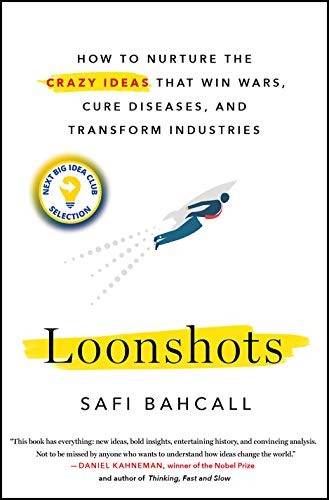
Loonshots
The methodology here is what got me: how to build a "lab," a protected space for fragile, half-baked ideas, kept separate from the machine that actually ships things. Before this book I'd collapse the two together and kill ideas too early. Now I actively think of more options, generate more possibilities, and only then pick one and commit.
The best part? I didn't even build a formal lab. In our current startup, my co-founder ran the messy ideation sessions (with Clawbot), and while he was deep in the chaos of ideas, I was building the full architecture and infrastructure for a flexible product — so that when something worth building emerged, we were already ready to move. That separation happened naturally, but this book explained why it worked.
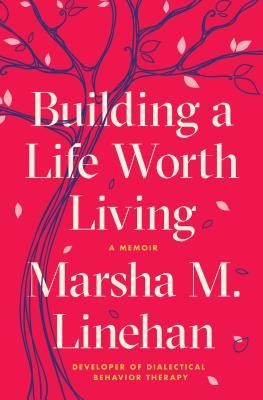
Building a Life Worth Living
I heard her give a talk. She spoke very slowly. I looked up her book anyway, figuring worst case I wouldn't finish it. I finished it.
Linehan's radical acceptance hit me hard: as a founder you spend enormous energy trying to control things that aren't yours to control. Her honesty about that, written from inside the experience rather than from above it, was more useful than any framework.
The other thing I took from it: everyone around you is carrying something you can't see. Your team, your investors, your co-founder. That invisible luggage shapes everything.
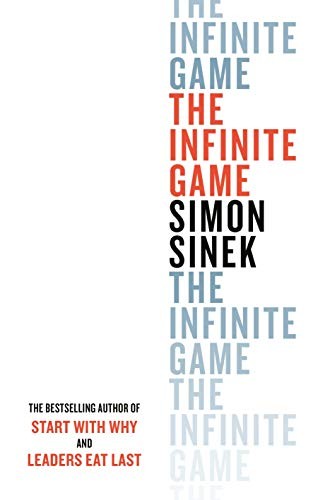
The Infinite Game
The best book on this list, and I say that with three Sinek books here. The core idea is simple and completely reframes everything: we cannot win. We can only continue. There is no winning in business, and there is no winning in life.
The moment I internalized that, I stopped trying to "beat" anyone and started trying to be my best self and do my best work, full stop. The trap I see founders fall into all the time, myself included, is chasing the exit or the product-market-fit moment as if it's the finish line. It's not. It's just the next move in an infinite game.
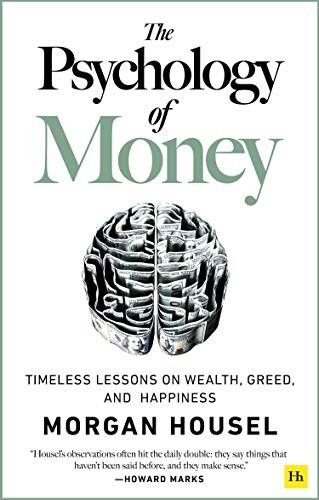
The Psychology of Money
Money is not a currency. It's an emotion. That reframe alone was worth the read. Housel helped me see that how we spend money, what we signal to ourselves and others by spending it, matters as much as how much we have.
For founders this gets complicated fast, because you're not just managing company money. You're sacrificing personal money and personal time simultaneously. They're the same resource. Once you see it that way, every runway decision and fundraising conversation looks different.
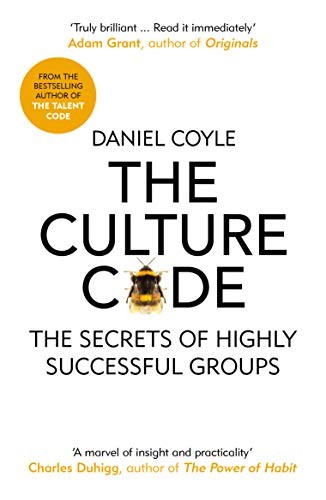
The Culture Code
I wish I had read this earlier. I led teams before this book and made real mistakes: being impatient, making people feel like speaking up was dangerous, creating environments where people protected themselves instead of doing their best work. Reading this helped me understand, clearly, what I had been doing wrong.
The fix wasn't a system or a process. It was listening. Actually listening to my team, asking questions, and making space for them to tell me what I was missing. Simple. Hard. Necessary.
An Unquiet Mind
After Linehan I went looking for more books in this space, because the way the mind works genuinely fascinates me. Jamison's memoir is brutally honest and beautifully written.
The concept I keep thinking about is hypomania, the elevated state that can feel like clarity and genius and unstoppable momentum. I've had nights like that. Probably some of it was coffee.
But it's interesting to consider: the same wiring that makes someone struggle can also, sometimes, be the thing that drives them to build something extraordinary. There's a silver lining worth not ignoring.
Leaders Eat Last
My operating philosophy as a leader, before I had language for it, was simple: if we succeed, it's the team's success. If we fail, it's my responsibility.
This book gave me the framework for why that matters and what it actually costs when leaders don't do it. One honest admission: I sometimes protected my team too much. I shielded them from hard conversations with higher leadership, and from productive failure. You can take "circle of safety" too far.
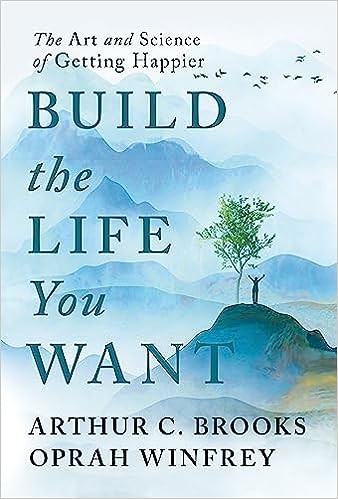
Build the Life You Want
I bought this for Brooks. The Oprah parts didn't land for me. But Brooks' core argument, that happiness isn't a feeling you stumble into but a skill you actively manage, is something I think about constantly.
Happiness for me is not a static state. It's the sum of things: teaching, mentoring, building, creating. And above all, my family. The founder grind makes it easy to confuse "not suffering" with "doing well." This book draws a clearer line.
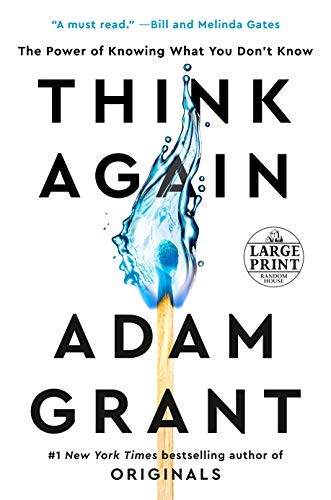
Think Again
Knowing when to unlearn something is one of the hardest skills in a startup. You work hard to learn something about your product, your users, your market, and then you have to be willing to throw it out when the evidence changes. Grant calls it the scientist mindset: treat your beliefs as hypotheses, not your identity.
I think about this a lot in technical decisions, building architecture that lets you swap out systems when better options emerge rather than defending your original choices. The same logic applies to culture, hiring, and strategy. You must always be growing, and growing means letting go.
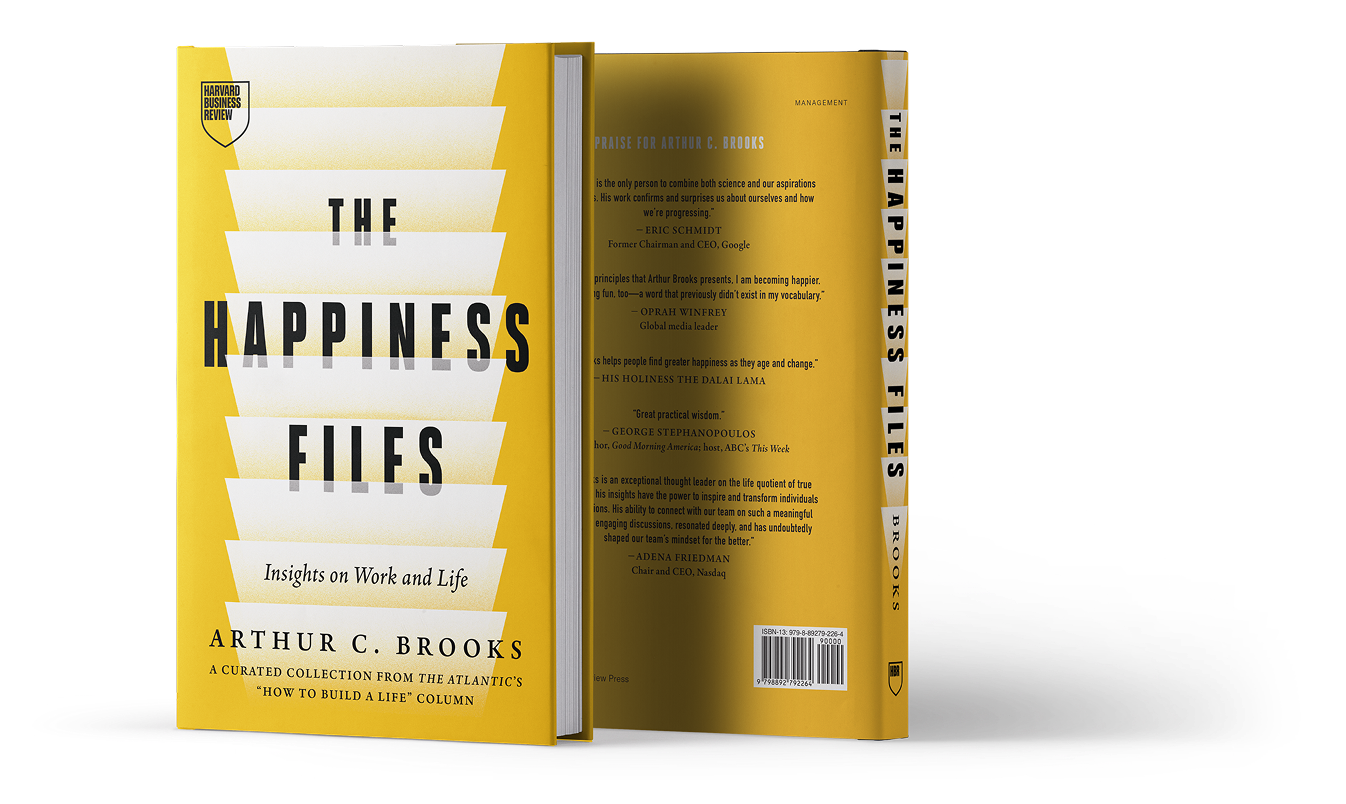
The Happiness Files
Brooks again. This one is more episodic, built from his Atlantic column, short chapters that each tackle one angle on the same big question. It's more rigorous and research-heavy than the Oprah collaboration, but also more flexible to read.
If you haven't read Brooks before, either book works as a starting point. I'd recommend both.
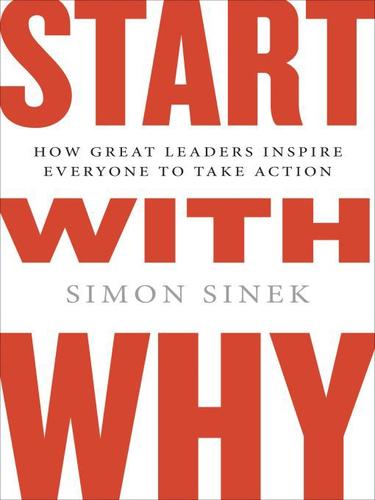
Start with Why
Everyone should read this book. It's the foundation. The reason it sits at the bottom of my Sinek ranking is that Sinek himself built so far beyond it. Infinite Game is the evolved version of this thesis, and his talks over the years cover most of the ground here better. But Start With Why is where the language starts, and you need the language.
My own why for SBS Games: there was a vacuum. Places where people could learn game development were closing down or disappearing. We wanted to fill that vacuum with cheap courses, real effort, and an actual community. That's it. That's still it.
One more, and this one is different

המדריך לסטארטאפיסט בגלקסיה
I'll tell you exactly how I got here. I saw a post by Shahar Polak about his podcast. I listened to all 12 episodes. Then I found out he had another podcast and binged that too. Then I found out he had a book and finished it in two days. Then I posted about it on LinkedIn. Then we talked privately. I am officially his fan.
Here's what I wrote on LinkedIn at the time:
"The way he looks at management and taking responsibility isn't another collection of LinkedIn clichés. In a super clear, concrete way he breaks down real cases that happened, and what he learned from them. Short chapters, which is excellent for the fried brain of a technical manager. The only thing that bothers me about this book? I keep asking myself where it was five years ago, when I was CTO at Pocket Pie Games. Before we made stupid mistakes. Before we closed the studio. If I had read this then, I probably would have saved myself a few good hours, and days, of frustrated ceiling-staring."
By the way, this is exactly what happened to me with Simon Sinek. First the talks, then the podcasts, then the books. Comparing Shahar to Simon Sinek is quite the compliment. To Simon, obviously. 😉
What have you actually finished lately? I'm always looking for the next one.