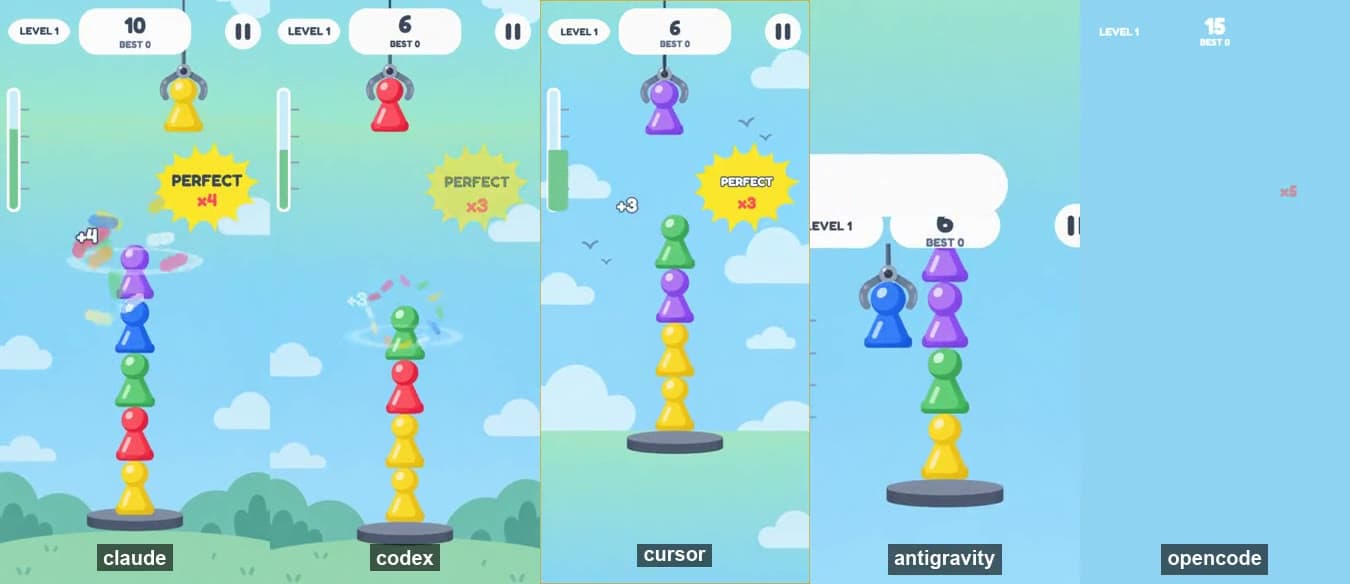
Four AI Agents, One Brief, One Line of Prompt. Only One Finished.
Codex, Cursor, Antigravity and OpenCode got the same game brief and ran side by side. One finished in 26 minutes. One ran out of free usage. One stopped mid-check. One worked alone for almost 8 hours and reported success on a game you can't see. What each agent did, what it said it did, and all five games to play.
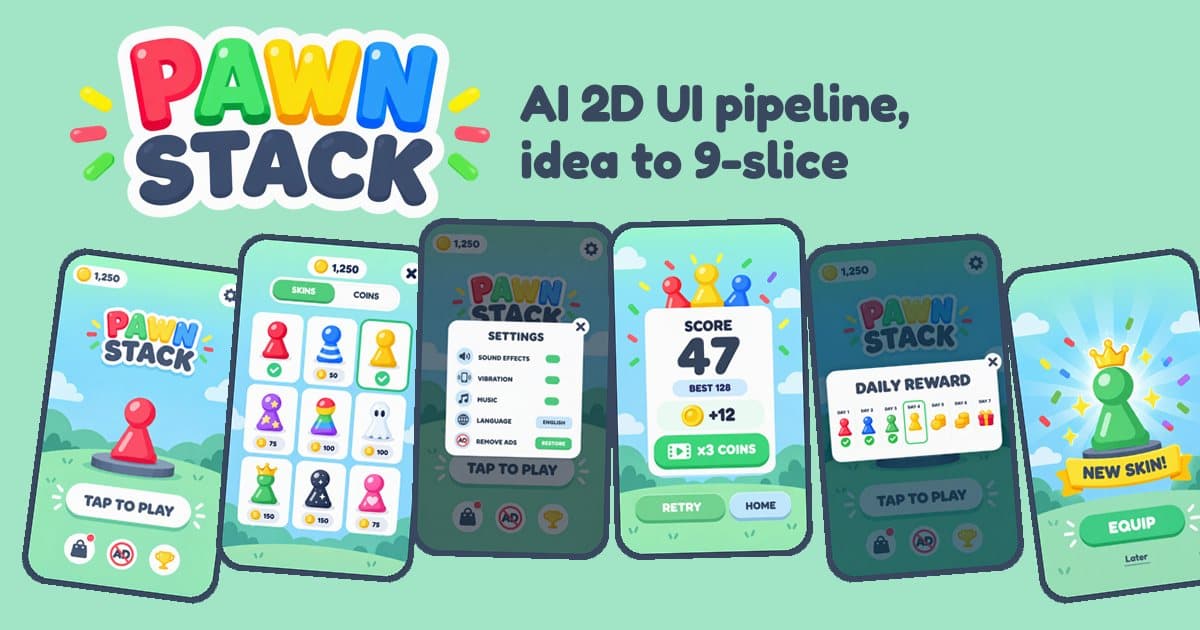
AI Made Every Asset for This Game. My Eye Made Them Match.
Someone in our Game Dev - AI group asked how to build a UI asset pipeline with AI. Here is the full answer: one small game, from the first reference to cut, engine-ready sprites, with every mistake the AI made on the way.
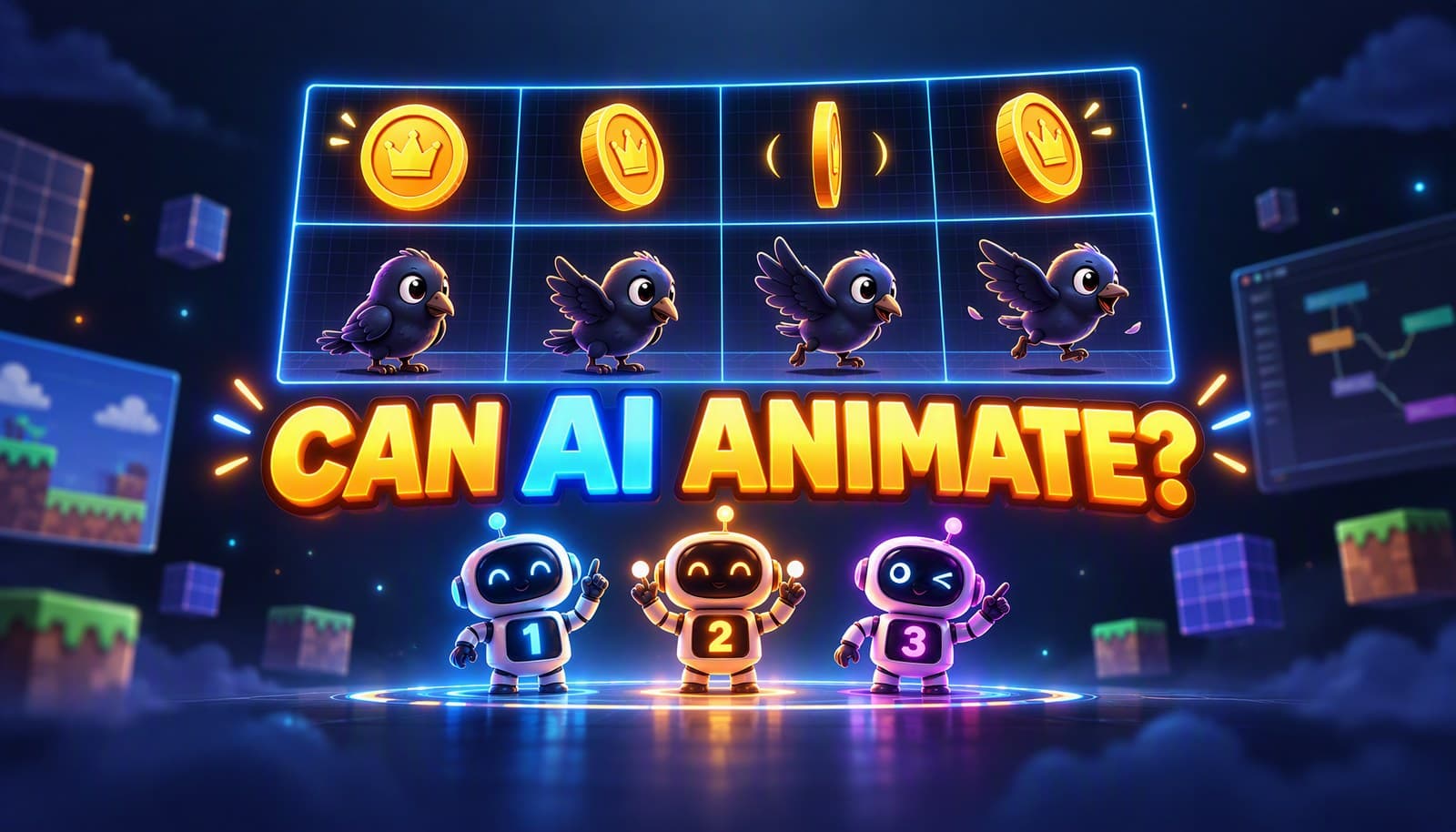
AI Can Draw Any Frame. Animation... Is Not Its Strong Suit.
I gave three image models a coin, a crow and a game mock-up, and measured everything. 153 generations later, one rule explains every result - and it changed how I think about making game art with AI.
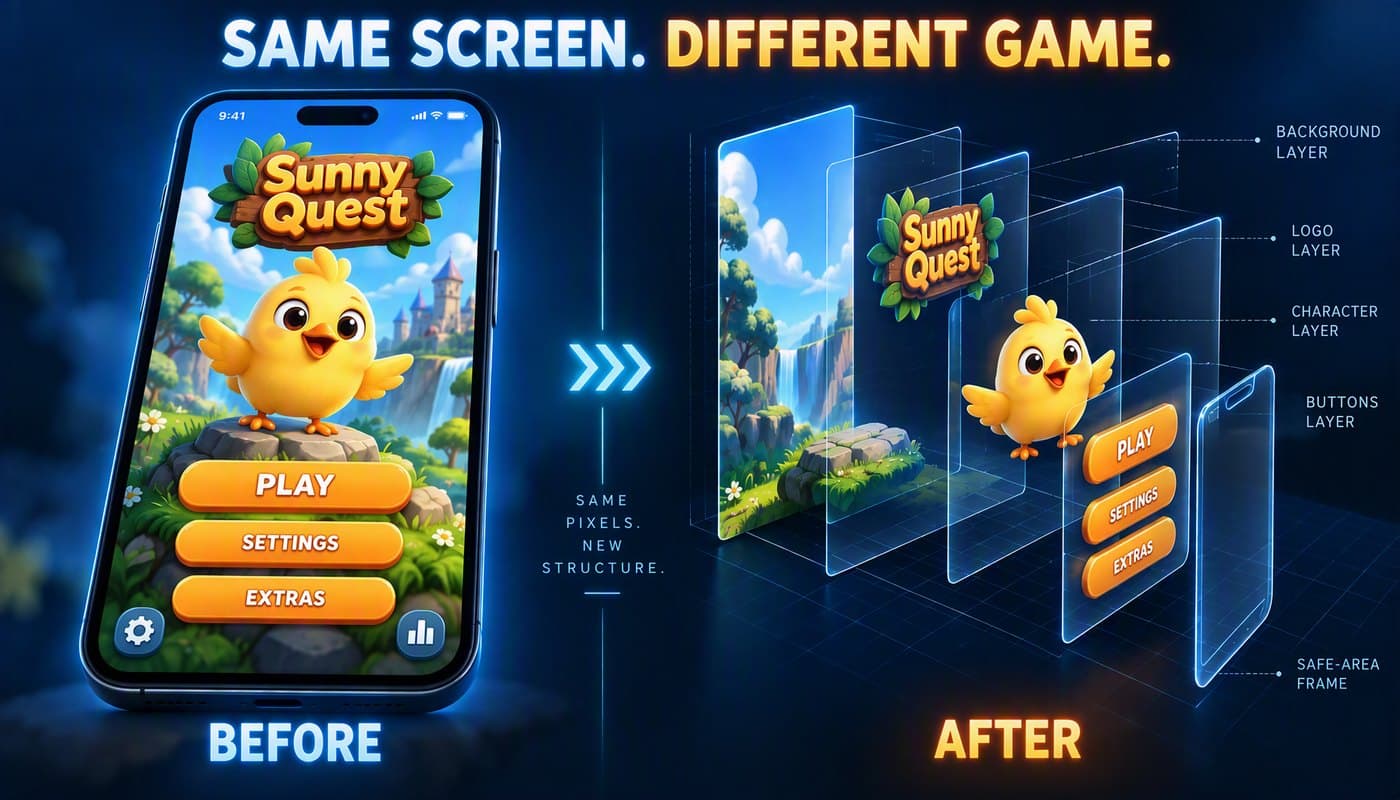
Unity's Codex Plugin Built My Menu. My Own UI Rules Showed It Wasn't Done.
The day after Unity shipped its official plugin for OpenAI Codex, I gave it a 337-pixel game menu mock and asked for a real main menu. It delivered one that looked finished. Then I made it check the menu against my UI rules, and the menu that looked done turned out not to be.
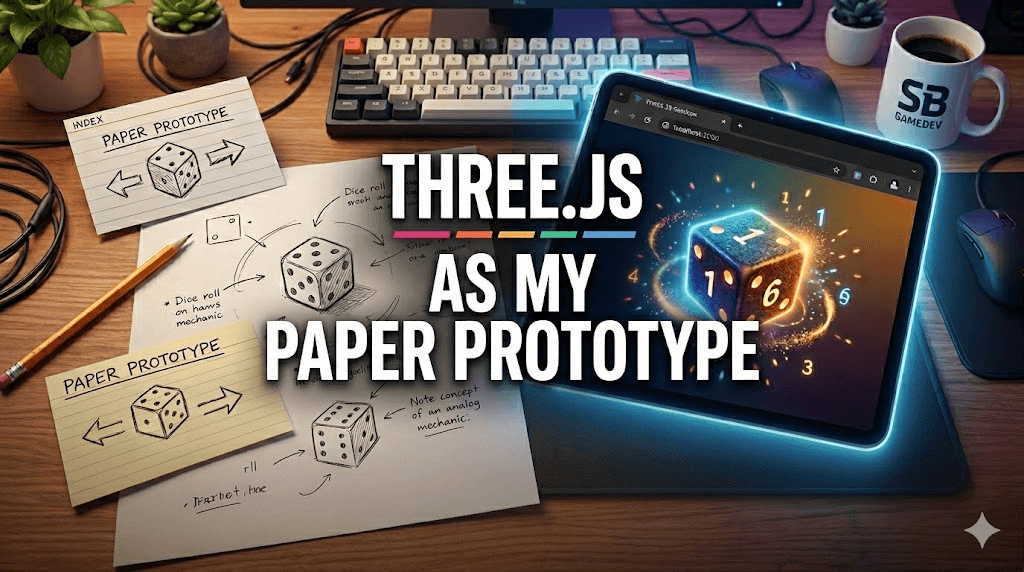
Before I open Unity or Godot, I build the mechanic in Three.js. It takes an afternoon, runs in a browser, and generates a URL I can text to anyone for real feedback. Here is why this is now my mandatory first step.
I ran a live, unscripted experiment to build a 2D hyper-casual game in one hour using Unity AI Assistant alongside Claude Code. After 60 minutes, I still don't have a good answer to my own question.
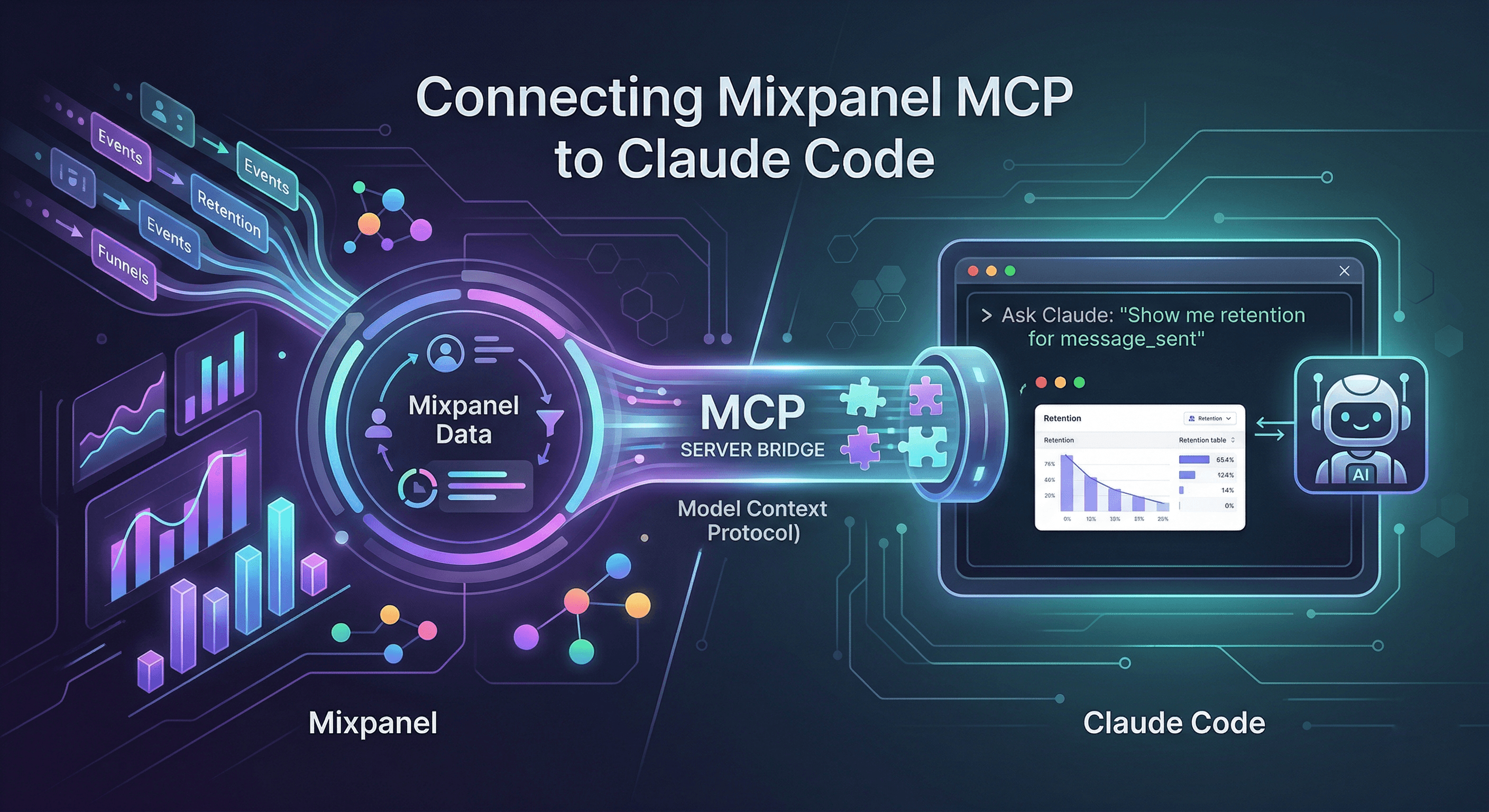
Data at the Speed of Thought: Connecting Mixpanel's MCP to Claude Code
Mixpanel's new MCP server collapses the analytics tab-switching workflow. Here's how to connect your live product data directly to Claude Code in under 10 minutes - and why it changes how you build.
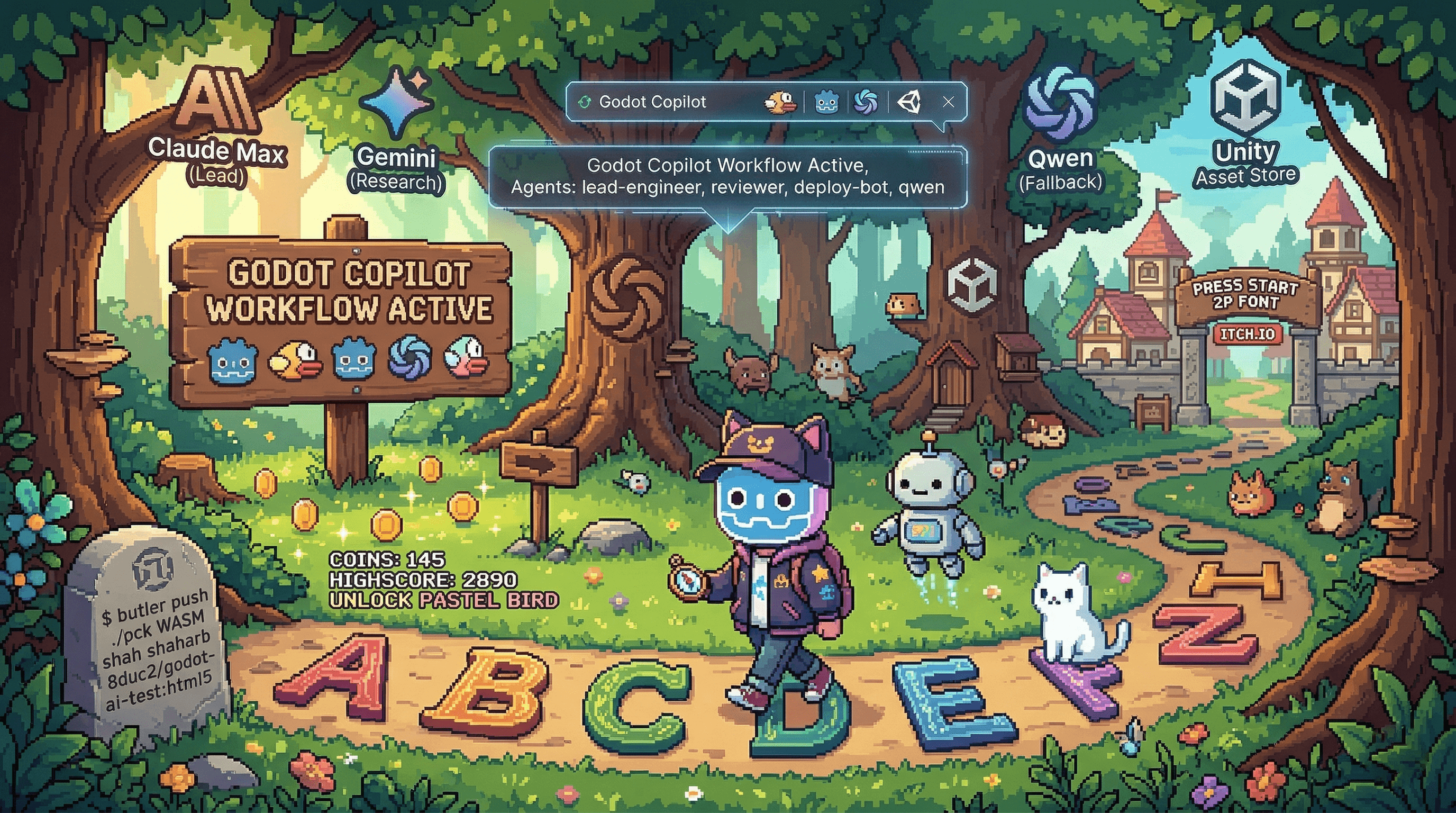
Vibe Coding a Game from A to Z in Godot (A Learning Journey)
I built a full Flappy Bird clone in Godot 4.4 with AI as my sole pair programmer-meta-progression, coin economy, cosmetics shop, and all. Here's exactly what worked, what broke, and why Godot might be the ultimate vibe coding engine.
My Current Professional AI Dev Workflow (A Learning Journey)
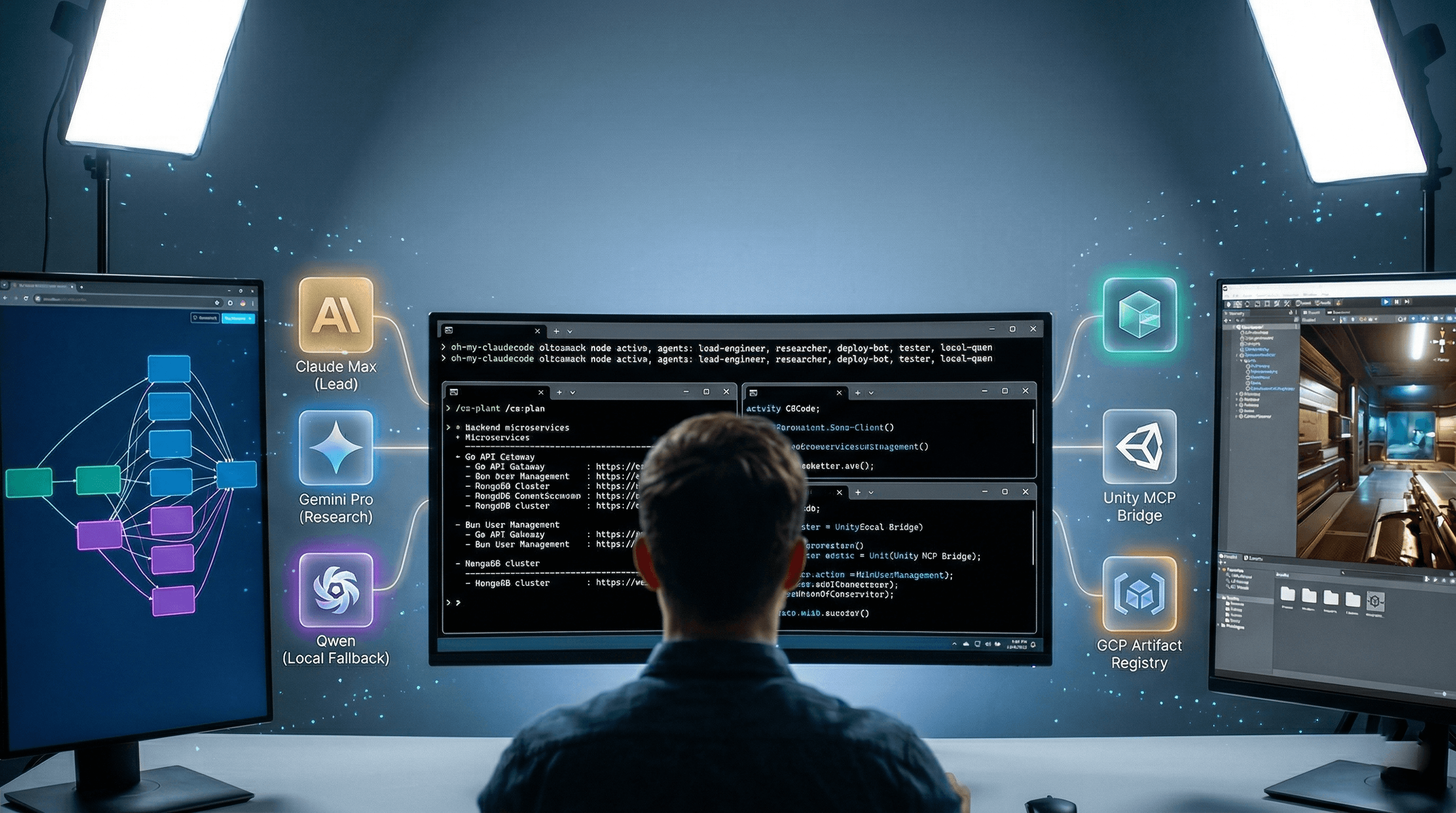
I'm piecing together a heavily automated, terminal-first AI tech stack to manage a full-scale startup backend - TypeScript, Bun, Go, MongoDB, Telegram bots, and Unity clients. Here's exactly how I do it.
My Current Free AI Setup for Indie Game Devs (A Learning Journey)
I'm piecing together a completely free, open-source AI tech stack for indie game development. Here's the exact setup I'm currently using, layer by layer.